Westmoreland
Henry IV, Part 2Westmoreland is presented as a leader acting against rebellion: at Gaultree Forest he challenges the rebels’ account of their grievances, presses John of Lancaster to answer their articles, and arrests Hastings as the rebels disperse. He later reports the defeat of the Earl of Northumberland and Lord Bardolph. His appearances place him at the hinge between political negotiation and the force that enforces the crown’s authority.
Identity and Political Function
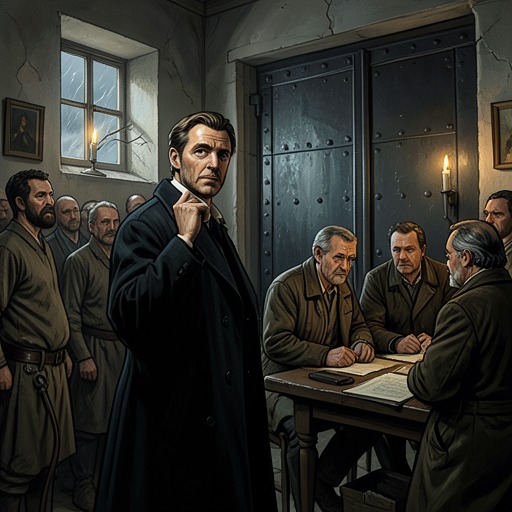
When Westmoreland enters the rebel gathering, Mowbray recognizes him as the Lord of Westmoreland and asks what well-appointed leader is facing them. The description gives his arrival the character of a formal, prepared intervention rather than a private encounter. He appears amid a dispute over the rebels’ appeal and their articles, taking part in the political process by which their claims are tested.
The evidence presents Westmoreland through public actions, not personal history or private reflection. His role is practical: he challenges the opposing party’s account, directs a request for an answer, and acts against a rebel once the gathering breaks up.
The Gaultree Forest Negotiation
Westmoreland asks the rebels when their appeal has ever been denied and in what way the King has wronged them. The questions put the burden on them to identify specific grounds for complaint; rather than simply denouncing their opposition, he confronts them with the possibility that their claims cannot be substantiated.
He then asks John of Lancaster to answer the articles directly and say how far he approves them. John responds that he likes and allows them all, swearing by the honour of his blood. The exchange produces an appearance of agreement, but the political situation turns sharply: as the rebels hurry away toward their homes and places of sport, Westmoreland arrests Hastings for high treason. The sequence makes negotiation and arrest adjacent acts, and leaves the promise of settlement overshadowed by the use of legal force.
Arrest and Political Reversal
Westmoreland’s arrest of Hastings is the most decisive action attributed to him in the negotiation. It occurs not during an open exchange of accusations but as the rebels disperse after John has assented to their articles. That timing gives the scene its reversal: apparent acceptance is followed by an arrest, and the rebels’ departure becomes the moment when Westmoreland exercises authority against one of them.
The passage establishes the arrest and its charge of high treason, but does not explain Westmoreland’s private intentions or specify his part in devising the broader maneuver. What it does show is the practical outcome of the encounter: the rebel gathering breaks apart, while Westmoreland remains to impose a legal consequence on Hastings.
Reports of Defeat and Narrative Role
Westmoreland also brings news that the Earl of Northumberland and Lord Bardolph, despite commanding a great force of English and Scots, have been overthrown by the sheriff of Yorkshire. The report turns a large-scale military defeat into a concrete political update: a powerful rebel force has been beaten, and the news reaches the court through Westmoreland’s account.
Together, these appearances define him by the movement of authority from report to action. At Gaultree Forest he questions rebel grievances and arrests Hastings; later he communicates the defeat of another rebel force. The play gives him no comparable private or domestic plot in this evidence. Instead, he serves as a public agent through whom the collapse of opposition is made visible—in the arrest of an individual and the reported overthrow of an army.